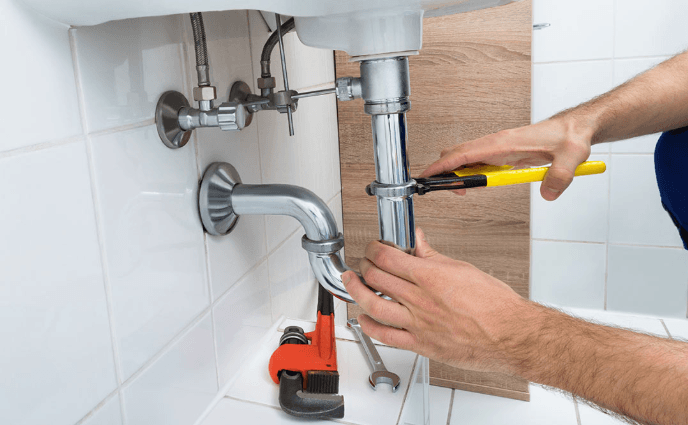

Plumber services are a crucial part of modern living, ensuring that water systems in homes and businesses function properly. From fixing minor leaks to managing complex installations, a plumber helps maintain comfort, hygiene, and convenience. Without reliable plumbing, daily routines can quickly become stressful and inefficient.
As buildings become more advanced and water systems more intricate, the role of a professional plumber becomes even more important. Choosing the right plumber can make a significant difference in maintaining a safe and efficient environment.
Introduction to Plumber
A plumber is a skilled professional who works with systems that control the flow of water and waste. These systems include pipes, fixtures, and appliances that are essential for everyday use.
Plumbers not only repair issues but also install new systems and ensure that everything operates smoothly. Their work supports healthy living conditions and prevents water-related damage.
What Is a Plumber?
Role and Responsibilities
A plumber is responsible for installing, repairing, and maintaining plumbing systems. This includes water supply lines, drainage systems, and fixtures such as sinks and toilets.
Areas of Work
Plumbers work in various settings, including homes, offices, and industrial facilities. Their tasks range from fixing leaks to designing complete plumbing systems for new constructions.
Why Plumber Services Are Becoming Essential
Increase in Construction Projects
With the rise in residential and commercial construction, the demand for plumber services has grown significantly. Every building requires a well-designed plumbing system.
Focus on Clean Water Access
Safe and clean water is a basic necessity. Plumbers ensure that water systems are free from contamination and function efficiently.
Urgent Repair Needs
Plumbing issues often occur without warning. Emergency plumber services are essential to quickly resolve problems and prevent further damage.
Key Features of Professional Plumber Services
Modern Diagnostic Tools
Professional plumbers use advanced tools such as leak detectors and pipe inspection cameras. These tools help identify issues quickly and accurately.
Skilled Expertise
A trained plumber has the knowledge to handle complex systems and provide long-lasting solutions.
Full-Service Solutions
From installation to maintenance, a plumber offers a wide range of services, ensuring all plumbing needs are covered.
See also: Renewable Energy Meets Technology
Benefits of Hiring a Plumber
Time-Saving Solutions
A professional plumber can quickly diagnose and fix issues, saving valuable time.
Cost Efficiency
Proper repairs prevent recurring problems, reducing long-term expenses.
Safe Work Practices
Handling plumbing systems can be risky. A plumber ensures that all work is completed safely and correctly.
How a Plumber Improves Everyday Comfort
Reliable Water Supply
A well-maintained system ensures consistent water flow, making daily tasks easier.
Proper Waste Disposal
Plumbers keep drainage systems functioning efficiently, preventing blockages and odors.
Enhanced Living Standards
Modern plumbing installations improve convenience and overall quality of life.
Content Quality and Professional Standards
Certified Professionals
A reputable plumber is licensed and trained, ensuring high-quality service.
Adherence to Regulations
Professional plumbers follow safety guidelines and industry standards for all work.
Customer Satisfaction
Reliable plumber services focus on delivering consistent results and building trust.
Plumber vs Alternative Solutions
DIY Approaches
While small fixes can be handled at home, major issues require a professional plumber to avoid costly mistakes.
General Repair Services
A general technician may lack the specialized skills that a plumber has for handling complex systems.
Tips for Choosing the Right Plumber
Verify Qualifications
Always hire a certified plumber with proven experience.
Check Customer Feedback
Reviews and recommendations can help you find a trustworthy plumber.
Request Detailed Estimates
Understanding the cost beforehand helps avoid surprises.
Plan Regular Maintenance
Routine checks by a plumber can prevent unexpected problems.
Future Trends in Plumber Services
Smart Plumbing Technology
Advanced systems now allow monitoring of water usage and early detection of leaks.
Sustainable Solutions
Plumbers are adopting eco-friendly practices to reduce water waste and improve efficiency.
Growing Industry Opportunities
As infrastructure expands, the need for skilled plumber professionals will continue to increase.
FAQs About Plumber
What services does a plumber provide?
A plumber handles installation, repair, and maintenance of water and drainage systems.
When should I contact a plumber?
You should contact a plumber when you notice leaks, clogged drains, or low water pressure.
Can a plumber install water systems in new homes?
Yes, a plumber can design and install complete plumbing systems for new constructions.
Are emergency plumber services available?
Many plumbers offer emergency services to handle urgent issues.
How can I reduce plumbing problems?
Regular maintenance and timely repairs by a plumber can reduce problems.
Is hiring a plumber necessary for small issues?
For minor issues, DIY may work, but a plumber ensures proper and lasting solutions.
Conclusion
A plumber is an essential professional who ensures the smooth operation of water systems in homes and businesses. Their expertise helps maintain safety, efficiency, and comfort in daily life. As technology advances and the demand for reliable systems grows, the importance of plumber services continues to increase. Hiring a skilled plumber and maintaining your plumbing system regularly can help you avoid major issues and ensure long-term peace of mind.